Four Places to See Vietnamese Embroidery Up Close
From the craft villages of Thường Tín to Văn Lâm by the limestone cliffs of Tam Cốc and the XQ galleries of Đà Lạt and Huế, here is where Vietnamese hand embroidery lives today.
3 min read
Vietnam has hundreds of craft villages, and a good number of them are built around needle and thread. If you are planning a trip and want to see embroidery made by hand, slowly and beautifully, these four places are a good start. We put this list together for curious customers who ask where the tradition behind our designs comes from.
1. Quất Động, Hà Nội: the cradle of the craft
About 23 km from central Hà Nội, in Thường Tín district, Quất Động is the home village of Lê Công Hành, the 17th-century mandarin honoured as the founder of Vietnamese embroidery. A temple in the village is dedicated to him.
Today the village is known for embroidered pictures, especially double-sided pieces where both faces look finished. Workshops and cooperatives here have employed hundreds of skilled embroiderers, and Hà Nội lists Quất Động among the craft villages it wants to develop for tourism. It is an easy half-day trip from the city.
2. Đông Cứu, Hà Nội: royal robes by the river
Also in Thường Tín, on the bank of the Nhuệ River, Đông Cứu shares Quất Động's devotion to Lê Công Hành. Historically, its embroiderers made clothing and objects for the royal court and the military.
That heritage is still visible. Viet Nam News profiled artisan Vũ Văn Giỏi, who researched old books and heritage sites to remake royal costumes from several Vietnamese dynasties; some of his pieces are shown at the Huế Museum of Royal Antiquities. He was named a People's Artisan in 2016. The village is small, with around fifty embroidering households in that report, so go with patience and good manners.
3. Văn Lâm, Ninh Bình: embroidery beside the boats of Tam Cốc
If you take a boat trip through the rice fields and limestone caves of Tam Cốc, you will pass right by Văn Lâm, in Ninh Hải commune. Local tradition traces its embroidery to the Trần dynasty, around the 13th century, and credits Trần Thị Dung, wife of the powerful mandarin Trần Thủ Độ, with teaching the craft to local people.
At its peak, nearly 80 per cent of households in Văn Lâm lived from embroidery. They still produce clothing, tablecloths, bedding, pictures and lace, and some artisans now stitch onto preserved bodhi-leaf skeletons. Visitors can often try a few stitches on a bamboo frame under an artisan's eye. Like many craft villages, Văn Lâm faces falling orders and a shrinking workforce, so buying directly from a workshop really does help.
A practical note: Vietnam has recently reorganised many local administrative units, so village addresses you find online may use older district names. A local guide or your hotel can point you the right way.
4. XQ in Đà Lạt and Huế: where embroidery meets painting
XQ is younger than the old villages but hugely influential. It was founded by artisan Hoàng Lê Xuân, who learned embroidery in her Huế family, and her husband, painter Võ Văn Quân. In the early 1990s they became known for embroidered pictures that blend the language of painting with traditional hand stitching.
In Đà Lạt, XQ's site on Mai Anh Đào Street is a cluster of wooden buildings in Huế style, with galleries of landscapes, portraits and double-sided work, and artisans you can watch at their frames. In Huế, the XQ embroidery museum beside the Perfume River displays nearly 400 works, most of them double-sided.
Tips for a respectful visit
- Ask before you photograph people at work, especially close-ups of faces and hands.
- Buy from the maker when you can. A small purchase at a family workshop matters more than you might think.
- Expect real prices for real time. A large hand-embroidered picture represents a great deal of skilled time; it is not comparable to a machine-made souvenir.
- Check opening hours before you go, since small workshops keep family schedules.
And a word about us
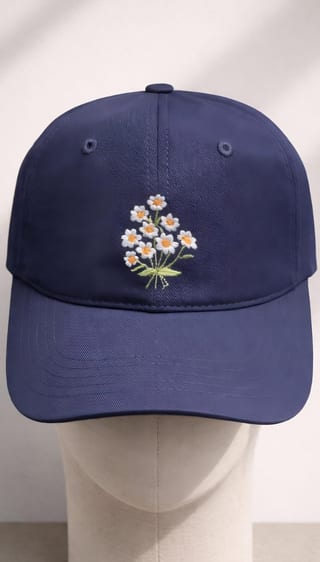
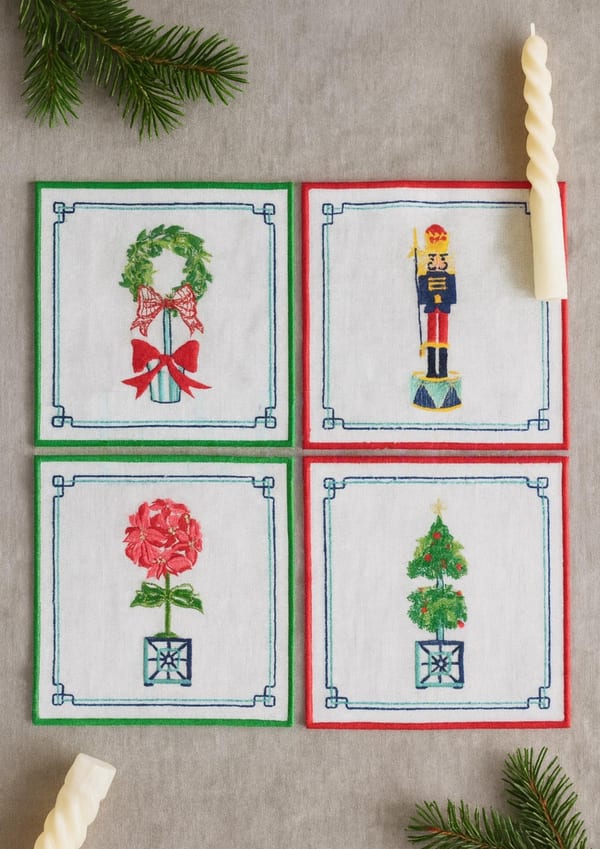
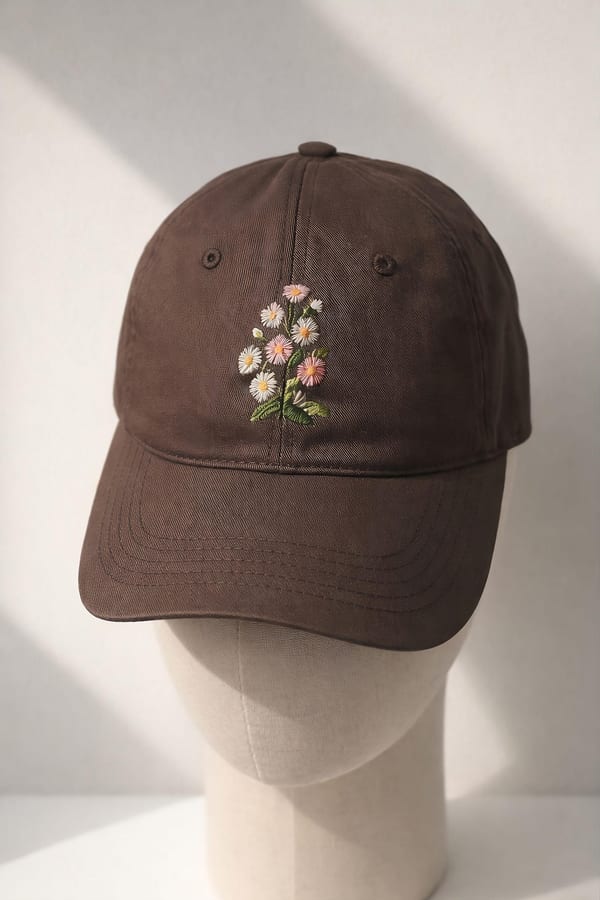
CustomStitch House is not a craft village, and our pieces are not hand-embroidered. We are a small studio that machine-embroiders caps and linen napkins to order and ships them to the US. Visiting places like these is what made us fall for thread in the first place, and we hope you get to see them for yourself one day.
Sources
- Viet Nam News: Quất Động village, a birthplace of embroidery
- Viet Nam News: Embroidering in a royal tradition
- Viet Nam News: Văn Lâm Village's story behind every stitch
- Ninh Bình Tourism: Văn Lâm embroidery village
- Vietnam Pictorial: Exploring the XQ embroidery gallery
- VietNamNet: Embroidery art museum in Huế