How to Care for Embroidered Hats and Linen Napkins
Simple, gentle routines to keep your embroidered cap and linen cocktail napkins looking good for years: washing, stains, drying, ironing and storage.
3 min read
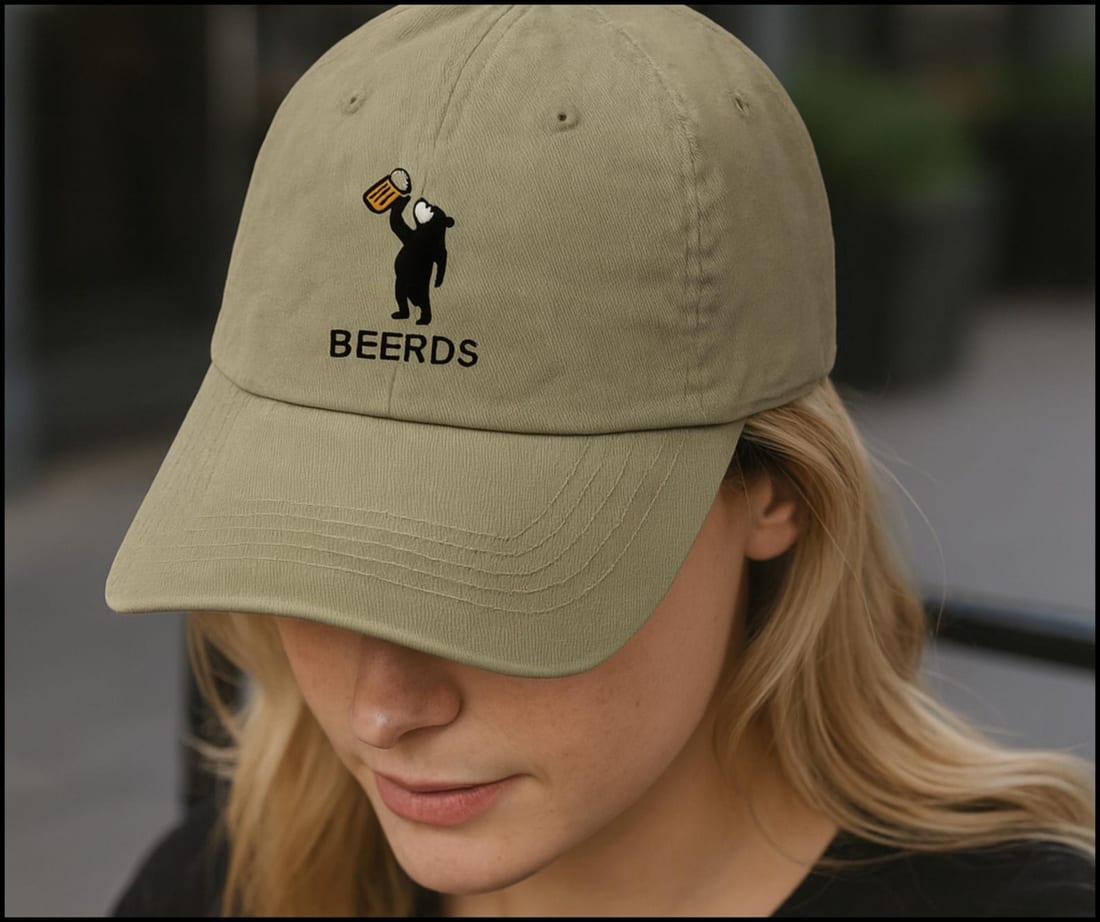
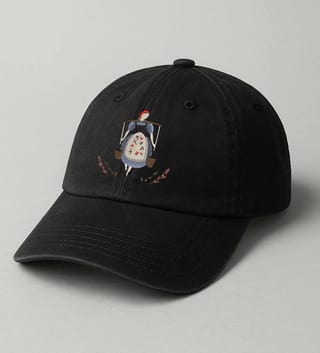
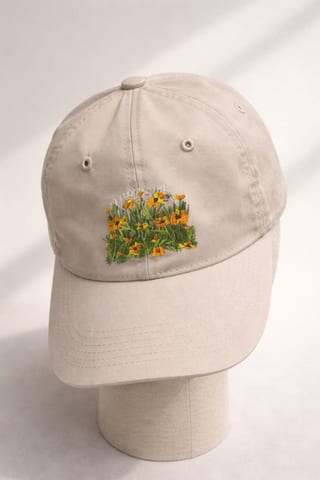
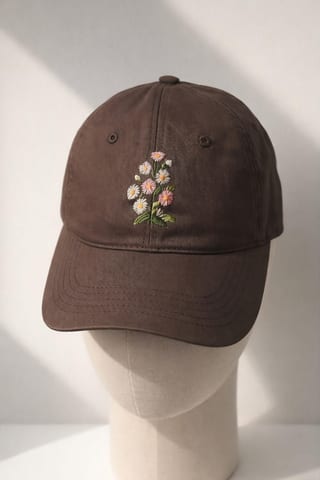
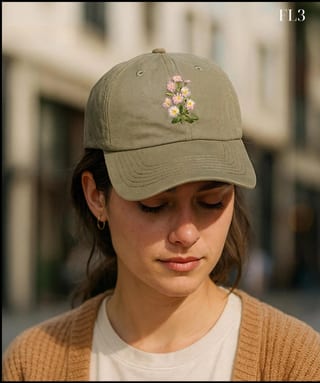
Embroidery is tougher than it looks, but heat, harsh detergents and rough handling are its natural enemies. The good news is that caring for an embroidered cap or a set of linen napkins takes very little effort once you know the basics. Here is the routine we recommend for CustomStitch House pieces, drawn from what textile makers and experienced embroiderers advise.
First, one rule that beats every tip below: check the care label. Fabrics and constructions vary, and the label is written for that exact item.
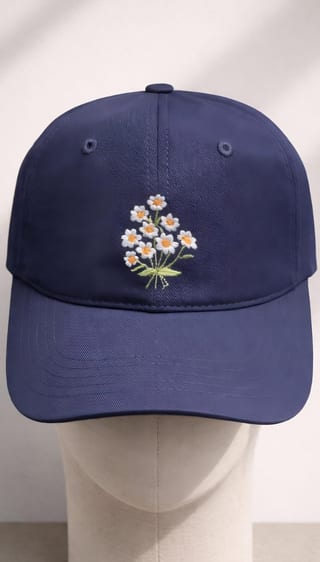
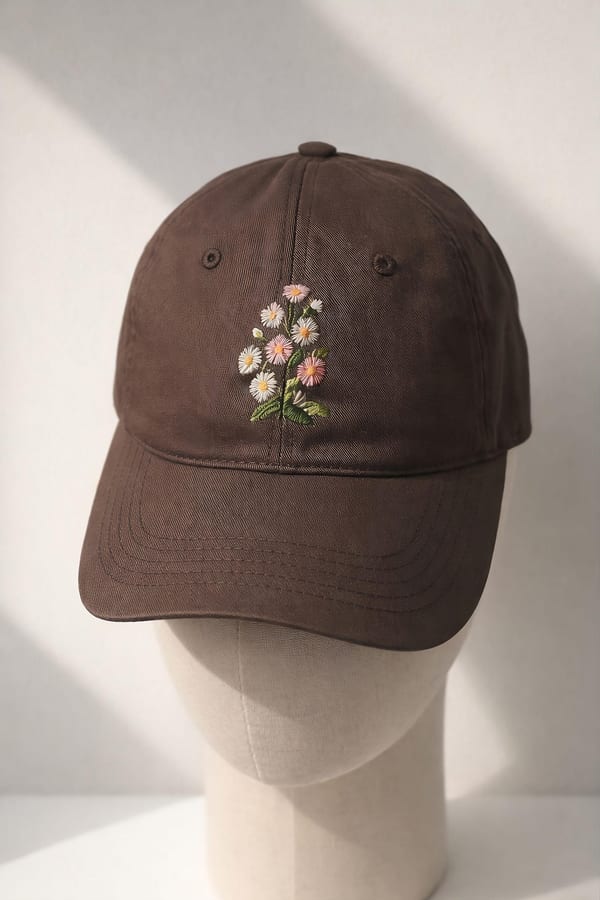
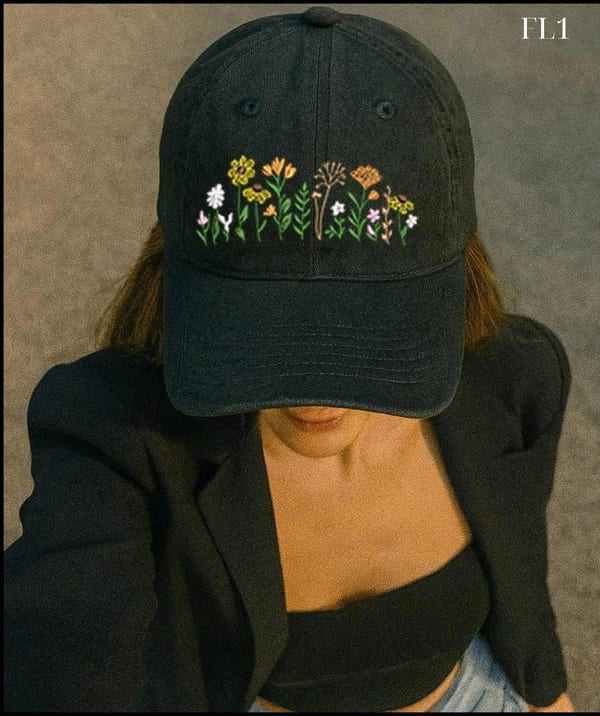
Caring for an embroidered cap
Everyday upkeep
- Brush off dust with a soft brush or lint roller before it settles into the fabric.
- Deal with marks early. Dab a small spot with a damp cloth and a drop of mild detergent; rubbing hard can fuzz the thread.
- To keep a cap fresh between washes, some people sprinkle a little baking soda inside, let it sit, then shake it out.
When it needs a proper wash
- Test first. Dab a little detergent solution on a hidden spot. If colour comes off, clean with water only.
- Use cool water and a mild detergent without bleach. Hot water can shrink fabric and distort the shape, and bleach can strip colour from both cap and thread.
- Soak, then scrub gently. A short soak loosens grime. Use a soft toothbrush on the sweatband and stubborn spots, and work around the embroidery rather than scrubbing across it.
- Rinse and pat dry. Press out water with a towel; do not wring or twist the cap.
- Dry in shape. Set the cap over an upside-down bowl or similar head-sized form and let it air-dry completely, away from strong direct sun, which can fade colours.
We do not recommend the dryer, and we would avoid the washing machine for structured caps; even manufacturers disagree on it, and hand washing is the safe choice. For tough sweat stains, Nike suggests a paste of baking soda, salt and hydrogen peroxide on the sweatband, left for about 20 minutes and then rinsed. Test it on a hidden area first.
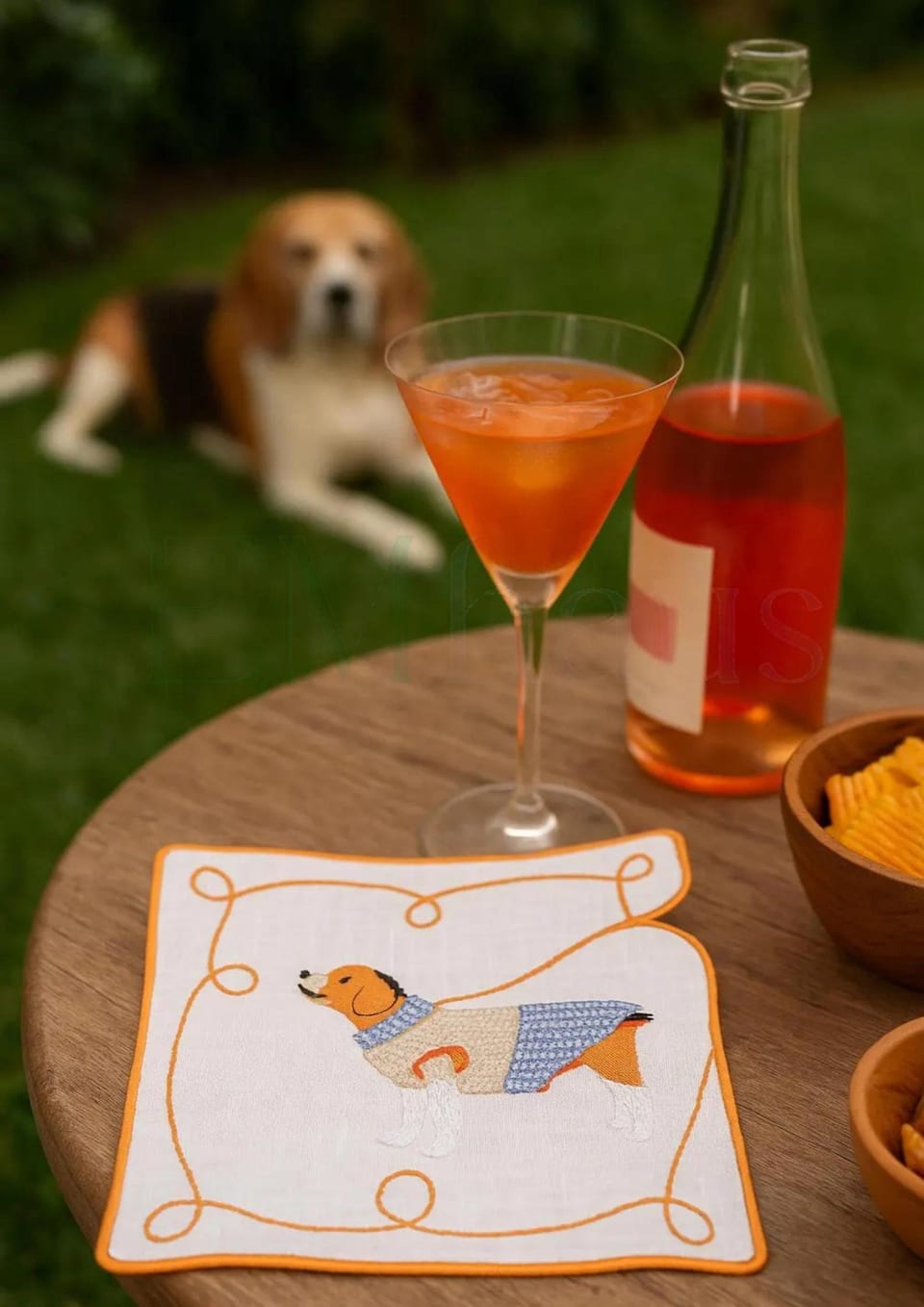
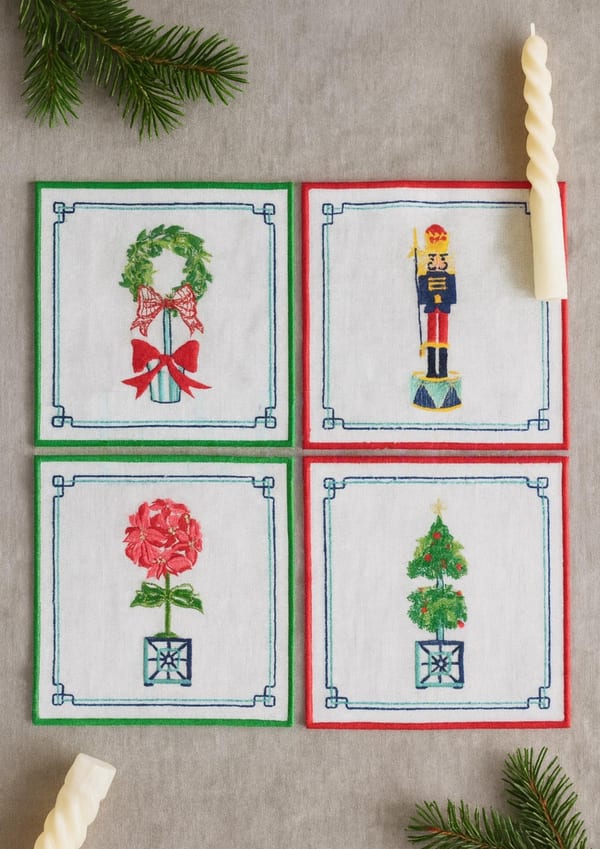
Caring for embroidered linen napkins
Washing
- Treat spills quickly. Blot wine or citrus with a flat cloth; do not rub, which pushes the stain in and roughs up the stitches.
- Wash gently. Hand wash, or use a gentle, cool machine cycle with a mild detergent that contains no bleach. Bleach can weaken linen fibres and cause yellowing.
- Wash new linen on its own for the first few washes, since it can shed fibres, and keep dark colours apart.
- Go easy on the spin. A low spin leaves fewer creases, and skipping fabric softener keeps linen absorbent.
Drying
Line-dry or lay napkins flat. Sources differ on tumble-drying linen; for embroidered pieces we suggest skipping the dryer, as heat and tumbling are hard on raised stitches.
Ironing
Linen irons best while slightly damp; if it has dried, mist it with water. Then:
- Lay a soft, clean towel or cloth on the ironing board and place the napkin embroidery face down. The padding lets the stitches sink in instead of being crushed flat.
- Use the linen setting with steam, and press and lift rather than sliding the iron back and forth over the design.
- Press the borders and plain areas last, from the front if you like, keeping the iron off the embroidery itself.
Storing your pieces
- Store linen clean and dry, in a cool place out of direct sunlight.
- Avoid sealed plastic for long-term storage; it traps moisture. A drawer or a box lined with plain white cotton or tissue is kinder to fabric.
- Keep napkins flat or loosely folded so the creases do not wear permanent lines, and store caps with their crown supported so they keep their shape.
The short version: cool water, mild soap, no bleach, no dryer, and press embroidery face down on a towel.
If something goes wrong, or a stitch comes loose on an CustomStitch House piece, write to us. We would much rather help you fix it than have it sit in a drawer.