Lê Công Hành and the Roots of Vietnamese Embroidery
A 17th-century envoy, a village outside Hà Nội and four centuries of needle and thread: the story behind the man Vietnamese embroiderers still honour as the founder of their craft.
4 min read
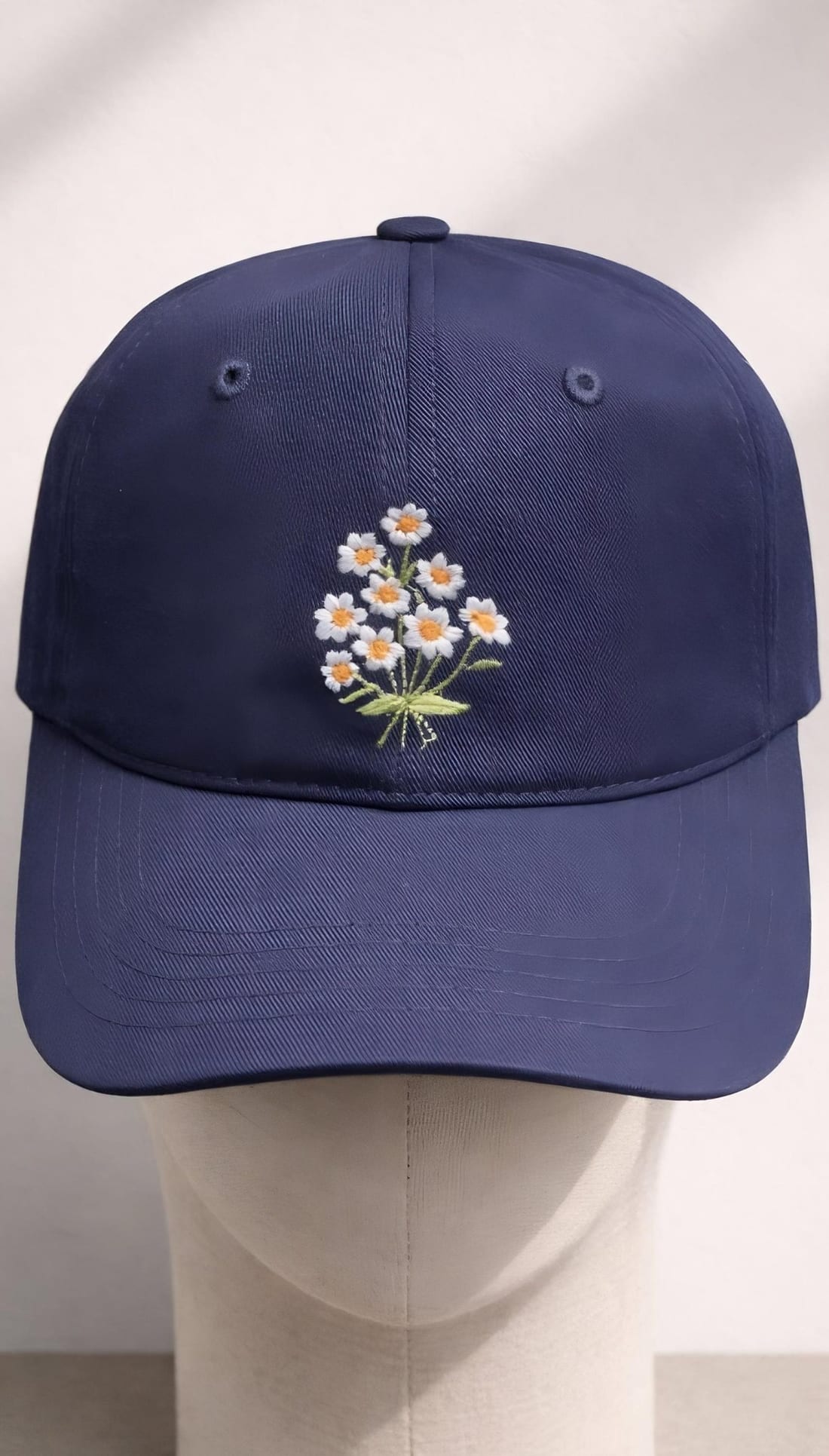
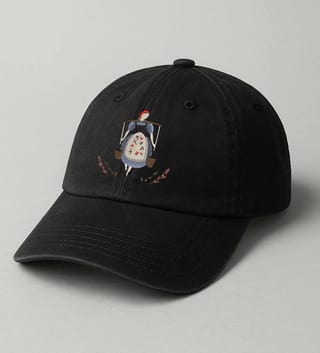
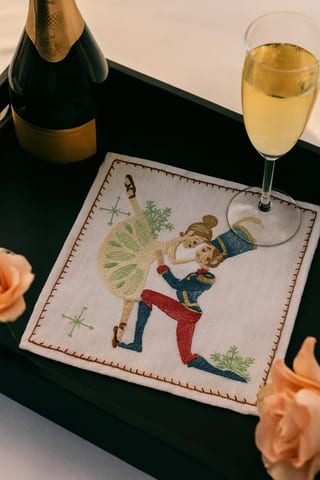
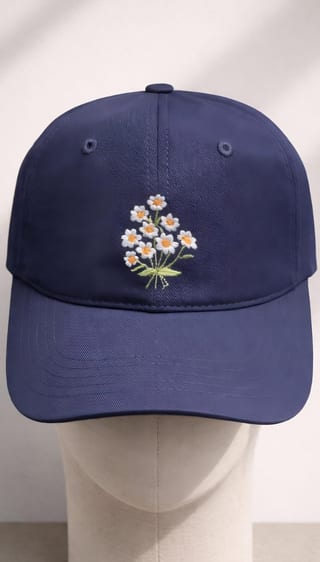
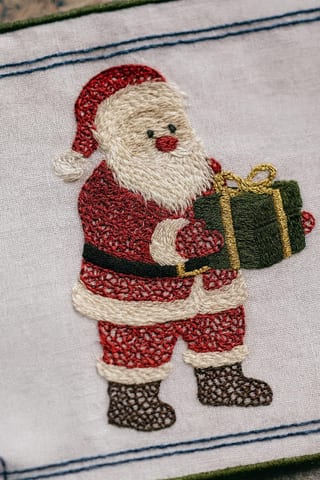
Every craft has an origin story. In Vietnam, the story of embroidery usually begins with one name: Lê Công Hành. Walk into an embroidery village near Hà Nội and you will likely find a temple or altar dedicated to him, and artisans who speak of him the way a family speaks of a great-grandparent. We make our hats and napkins with modern embroidery machines, but we work in the same country and with the same love of thread, so we wanted to learn where it all started.
A scholar from Quất Động
Lê Công Hành was born in 1606 in Quất Động, a village in what is now Thường Tín district, roughly 23 km south of central Hà Nội. He became a mandarin, an educated official serving the Lê court, and he died in 1661. That much appears consistently in Vietnamese reporting on the village.
The turning point came in 1646, when he was sent as an envoy to the Ming court in China. Accounts agree that he studied embroidery there. Some say he learned the techniques used to decorate royal parasols; others describe it more broadly as needlework. When he came home, he taught what he had learned to the people of Quất Động and the villages around it.
It is worth being honest about the limits of the record. Much of what is told about Lê Công Hành has been handed down through village tradition, and the colourful details vary from one telling to the next. What is not in doubt is the gratitude: after his death, villagers built a temple in his honour, and Viet Nam News describes him as the Father of embroidery in Việt Nam
.
What early Vietnamese embroidery looked like
The first generations of Quất Động embroiderers did not make pictures to hang on a wall. Their work decorated things with a purpose: parasols, altar canopies and curtains, often bearing couplets or repeating patterns. Threads were coloured with natural dyes, giving a palette of yellow, red, mauve, green and blue. Over time, artisans added metallic threads and more demanding techniques.
The craft also travelled. In neighbouring Đông Cứu, another village in Thường Tín, families also worship Lê Công Hành as the patron of their trade. There, embroiderers came to specialise in clothing and objects for the royal court and the army, and a few artisans still recreate historic royal robes for museums and collectors today.
From ceremonial cloth to embroidered paintings
Today, Quất Động is best known for embroidered pictures: landscapes, portraits and still lifes stitched so finely that, from a distance, they can be mistaken for paintings. The most prized pieces are double-sided, made so that both faces look finished and the knots are hidden. Many households still keep traditional frames, and some families count seven generations of embroiderers. Local artisans say their pictures have been sold to buyers in Japan, South Korea and the United States.
A craft that has had to fight to survive
The story is not all celebration. Viet Nam News reports that when the village embroidery cooperatives were dissolved in the 1980s, many needleworkers turned to farming. Later export work paid little and rewarded speed over skill, and fewer young people now want to spend years learning a trade that pays modestly.
There are bright spots, too. One former journalist from Quất Động left her job to open a small hand-embroidery brand in the village, making custom áo dài, handkerchiefs and accessories with local workers. Efforts like hers keep the knowledge alive by finding new buyers for old skills.
Where we fit in
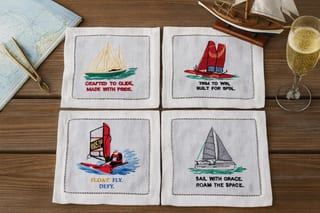
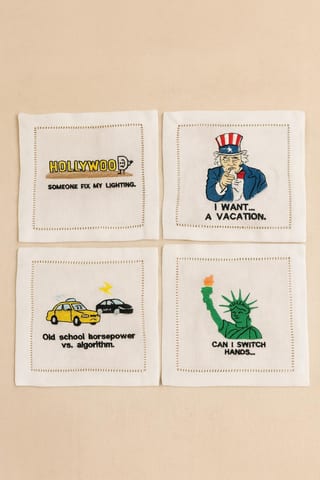
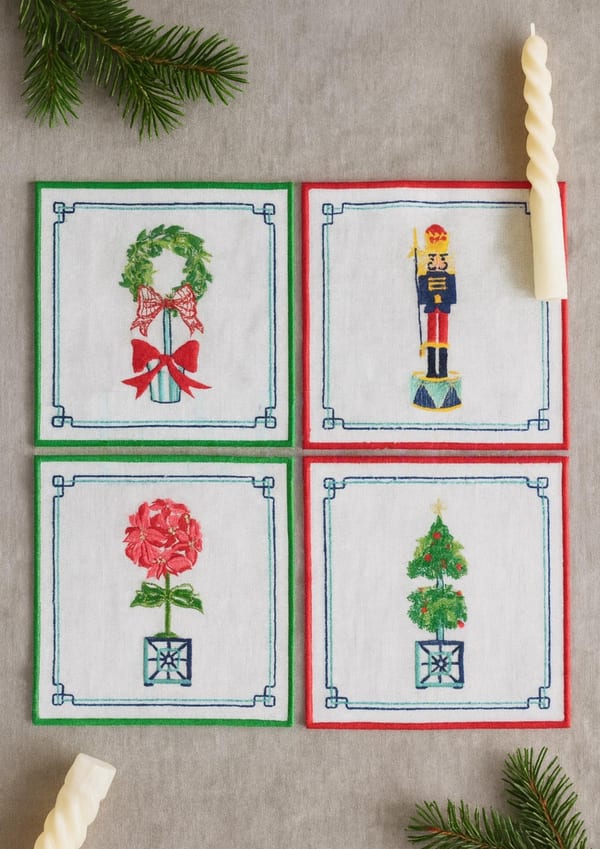
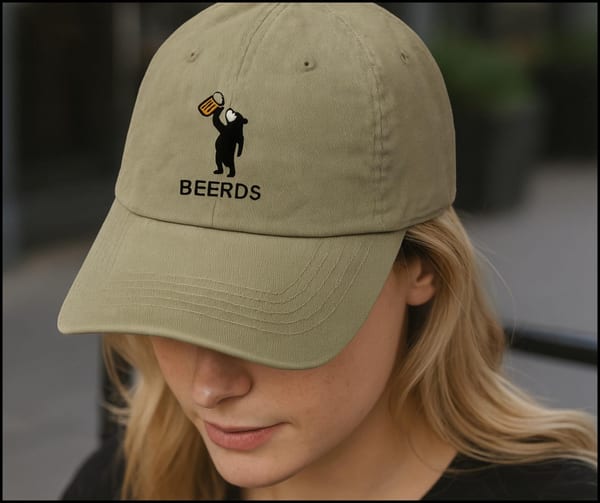
We want to be clear about our place in this story. CustomStitch House is a small studio, and everything we sell is machine-embroidered. We digitise each design, choose the threads and stitch every order on our machines after you buy it. That is a different craft from the slow, freehand needlework of Quất Động, and we never want to blur the line.
What we share with those villages is a love of colour, a respect for neat, durable stitching and pride in work that comes from Vietnam. Learning about Lê Công Hành reminds us that every stitch we make sits in a long tradition, and we would like to honour that tradition honestly.
If you ever visit northern Vietnam, a half-day trip to Thường Tín is a lovely way to see the real thing, needle in hand.